
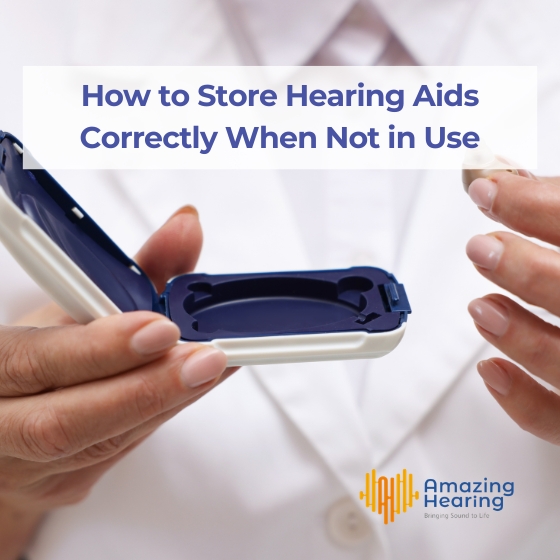
Hearing aids are precision medical devices designed to support daily communication and quality of life. Like any advanced device, proper care plays a major role in how well they perform and how long they last. One often overlooked aspect of hearing aid care is correct storage when the devices are not in use.
Storing your hearing aids properly helps protect them from moisture, dust, and physical damage, ensuring reliable performance and reducing the risk of costly repairs.
Why Proper Hearing Aid Storage Matters
Hearing aids are exposed daily to sweat, humidity, earwax, and environmental debris. Over time, these factors can affect sound quality, battery life, and internal components if not managed correctly.
Proper storage helps to:
- Prevent moisture damage to sensitive electronics
- Reduce wax and debris buildup
- Extend battery life and overall device lifespan
- Maintain consistent sound performance
In Singapore’s humid climate, correct storage is especially important.
Remove Hearing Aids Before Storing
Before storing your hearing aids, always remove them gently and inspect them for visible moisture or earwax. Wiping them down before storage reduces the chance of residue hardening overnight.
Key steps include:
- Using a clean, dry cloth to wipe the exterior
- Checking microphone ports and ear tips for debris
- Removing earmoulds or domes if advised by your audiologist
This simple routine prevents buildup that can interfere with sound clarity.
Keep Hearing Aids Dry at All Times
Moisture is one of the most common causes of hearing aid malfunction. Sweat, humidity, and condensation can seep into internal components if devices are not stored correctly.
Recommended moisture-control practices include:
- Storing hearing aids in a dry, well-ventilated container
- Using a dehumidifier or drying box designed for hearing aids
- Avoiding storage in bathrooms, kitchens, or near windows
Dry storage is especially important overnight, when moisture has time to accumulate.
Open Battery Doors or Power Off Devices
For hearing aids that use disposable batteries, opening the battery door before storage allows air circulation and prevents corrosion. It also helps extend battery life.
For rechargeable hearing aids:
- Power off the device before storage if not charging
- Store on the charging dock as recommended by the manufacturer
- Avoid overcharging or leaving devices unplugged for long periods
Always follow your audiologist’s guidance for your specific hearing aid model.
Store Hearing Aids in Their Protective Case
Hearing aids should always be stored in a protective case when not in use. A proper case shields them from accidental drops, dust, and exposure to pets or children.
A good storage case should:
- Be clean and dry
- Have enough space to prevent pressure on delicate parts
- Be placed in a stable, secure location
Avoid placing hearing aids loose on tables or in pockets, where they can easily be damaged or lost.
Keep Hearing Aids Away from Heat and Sunlight
Excessive heat can damage internal circuitry and batteries. Avoid storing hearing aids near heat sources or in direct sunlight.
Do not store hearing aids:
- In cars or near windows
- On electronic devices that generate heat
- Near hair dryers or heaters
Room-temperature storage in a shaded area is ideal.
Separate Hearing Aids from Personal Care Products
Chemicals from hair sprays, perfumes, lotions, and cleaning agents can damage hearing aid components. Always store hearing aids away from these products.
As a best practice:
- Remove hearing aids before applying personal care products
- Wash hands before handling devices
- Store hearing aids in a designated location
This reduces the risk of chemical exposure and residue buildup.
Travel Storage Tips for Hearing Aids
When travelling, hearing aids require extra care due to changes in temperature and humidity.
Helpful travel storage tips include:
- Using a hard protective case during transit
- Carrying a portable drying kit
- Avoiding checked luggage for hearing aids
Proper travel storage ensures your hearing aids remain functional wherever you go.
Regular Maintenance Complements Proper Storage
Correct storage is only one part of hearing aid care. Regular professional cleaning and maintenance help ensure long-term performance.
Audiologists can:
- Check for internal moisture damage
- Replace filters and wax guards
- Adjust settings if sound quality changes
Combining good storage habits with routine check-ups reduces unexpected issues.
When to Seek Professional Advice
If you notice persistent issues such as distorted sound, intermittent function, or rapid battery drain, improper storage may be contributing to the problem.
Consult a hearing care professional if:
- Moisture damage is suspected
- Devices stop working despite proper storage
- You are unsure about correct care routines
Early intervention can prevent further damage.
Takeaway
Properly storing your hearing aids when not in use is a simple, but essential habit that protects your investment and supports long-term hearing health. By keeping them dry, clean, and safely stored, you reduce wear and ensure consistent performance.
At Amazing Hearing, our team provides personalised guidance on hearing aid care, storage, and maintenance. With the right habits and professional support, your hearing aids can continue to serve you reliably for years to come.
