
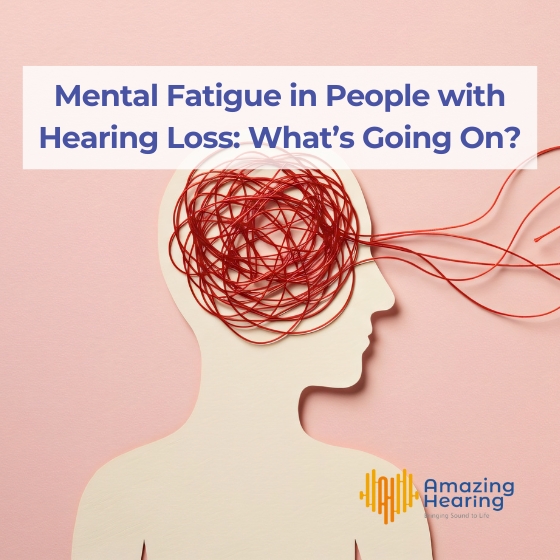
Feeling mentally drained after conversations, meetings, or social interactions is a common experience for many people with hearing loss.
This persistent exhaustion, often referred to as listening fatigue or mental fatigue, can affect concentration, mood, and quality of life. While it may not always be obvious, mental fatigue is a very real and under-recognised consequence of untreated or poorly managed hearing loss.
At Amazing Hearing, we believe that understanding the connection between hearing health and mental well-being is essential to improving everyday life. Today, we dive into why mental fatigue occurs in people with hearing loss, how it affects daily functioning, and what can be done to manage it effectively.
What Is Mental Fatigue in Hearing Loss?
Mental fatigue refers to a state of cognitive exhaustion caused by prolonged mental effort. For individuals with hearing loss, everyday listening requires significantly more concentration than normal hearing.
When sounds are unclear or incomplete, the brain must work harder to:
- Fill in missing words
- Interpret speech in noisy environments
- Focus on conversations while filtering background noise
- Maintain attention during long discussions
Over time, this increased effort leads to cognitive overload, resulting in mental fatigue.
Why Hearing Loss Increases Cognitive Load
The brain is designed to process sound automatically. However, when hearing ability declines, listening becomes a conscious task rather than a passive one.
Key reasons for mental fatigue include:
- Constant guesswork: The brain attempts to reconstruct incomplete auditory information.
- Increased focus: Extra concentration is needed to accurately follow conversations.
- Background noise challenges: Noisy environments intensify listening effort.
- Reduced auditory clarity: Distorted sound signals require more mental processing.
This ongoing strain can leave individuals feeling exhausted, even after short interactions.
Common Signs of Mental Fatigue
Mental fatigue related to hearing loss may present in subtle ways, and is often mistaken for general tiredness or stress. Common symptoms include:
- Difficulty concentrating or remembering conversations
- Headaches after social interactions
- Irritability or low mood
- Withdrawal from conversations or social settings
- Feeling drained after meetings or group discussions
These symptoms can significantly impact work performance, relationships, and emotional well-being.
The Impact on Daily Life
Mental fatigue doesn’t just affect energy levels, it can influence many aspects of daily living:
At Work
- Reduced productivity
- Difficulty following meetings
- Increased mistakes due to mental overload
In Social Settings
- Avoidance of group conversations
- Reduced enjoyment of social events
- Feelings of isolation or frustration
On Emotional Health
- Higher stress levels
- Increased risk of anxiety or low mood
- Reduced confidence in communication
Without proper intervention, mental fatigue can become a cycle, leading individuals to avoid listening situations, which further affects social engagement and mental health.
How Hearing Aids Can Help Reduce Mental Fatigue
One of the most effective ways to reduce listening effort is through properly fitted hearing aids. Modern hearing aids are designed to support the brain by improving sound clarity and reducing unnecessary noise.
Benefits include:
- Enhanced speech clarity
- Reduced background noise interference
- Improved focus and comprehension
- Lower cognitive effort during conversations
By allowing sound to be processed more naturally, hearing aids help the brain relax, significantly reducing mental fatigue over time.
Additional Strategies to Manage Listening Fatigue
Alongside hearing aids, several practical strategies can help minimise mental strain:
- Take listening breaks: Allow time for rest between conversations.
- Optimise listening environments: Reduce background noise when possible.
- Position strategically: Face speakers directly and maintain eye contact.
- Communicate needs: Let others know how they can support clearer communication.
These small adjustments can make a meaningful difference in daily comfort and energy levels.
When to Seek Professional Help
If mental fatigue is persistent or worsening, it may be time to seek professional hearing care. A comprehensive hearing assessment can identify the degree of hearing loss and determine appropriate solutions.
Early intervention can:
- Reduce cognitive strain
- Improve communication confidence
- Support long-term brain health
- Enhance quality of life
Takeaway
Mental fatigue is a common, but often overlooked effect of hearing loss.
The increased cognitive effort required to listen and understand speech can leave individuals feeling exhausted, frustrated, and disconnected. The good news is that with the right hearing support and strategies, this fatigue can be significantly reduced.
At Amazing Hearing, our experienced audiologists provide personalised hearing assessments and tailored solutions to help you listen with ease and confidence again.
Get Support for Listening Fatigue at Amazing Hearing
If you or a loved one is experiencing mental fatigue linked to hearing loss, professional help can make a difference.
Amazing Hearing offers comprehensive hearing tests, advanced hearing aid solutions, and personalised care to support both hearing and mental well-being. Contact us today to book an appointment and take the first step toward clearer hearing and renewed energy.
