
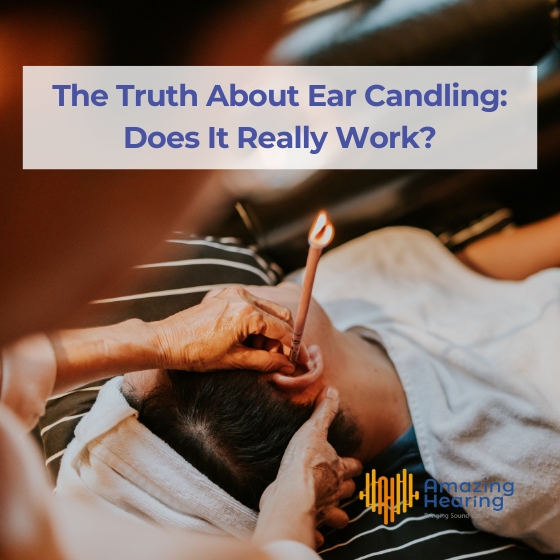
You’ve likely seen the social media videos—someone lying calmly with a hollow candle in their ear, flames flickering above them. Supporters of ear candling claim it removes earwax, cures infections, and improves hearing. But does science back these claims?
Ear candling, or ear coning, involves placing a hollow candle made of fabric coated in beeswax or paraffin into the ear and lighting the other end. While it’s become popular among wellness enthusiasts as a natural remedy for ear issues, medical professionals disagree.
Major health organisations, including the NHS and the American Academy of Otolaryngology, warn against ear candling, calling it ineffective and potentially dangerous. So what’s the truth behind this controversial practice?
What Is Ear Candling?
Ear candling involves inserting a hollow, cone-shaped candle into the ear canal whilst lying on your side. The candle, typically made from cotton or linen fabric coated in beeswax, paraffin, or soy wax, is then lit at the top end. The process usually lasts between 10 and 15 minutes per ear.
Practitioners claim that the burning candle creates a gentle suction that draws out earwax, debris, and toxins from the ear canal. They often point to the dark residue left inside the candle after the procedure as “proof” that impurities have been removed from the ear.
The practice is sometimes marketed under various names, including thermal-auricular therapy, ear coning, or Hopi ear candling (though the Hopi tribe has publicly stated they never practised this technique).
The Claims vs. The Science
What Proponents Say Ear Candling Can Do
Advocates of ear candling make numerous health claims about the practice:
- Removes excessive earwax and debris
- Relieves sinus pressure and congestion
- Improves hearing
- Treats ear infections
- Reduces tinnitus (ringing in the ears)
- Alleviates headaches and migraines
- Purifies the blood
- Strengthens the brain
- Relieves stress and anxiety
What Research Actually Shows
Multiple studies have debunked claims about ear candling. A 2004 study in Laryngoscope tested for suction during the procedure and found no evidence of negative pressure.
The same study analysed residue in used candles, which turned out to be candle wax and fabric particles—not earwax. Identical residue was found in candles burned without being placed in the ears.
Another study in the Canadian Medical Association Journal examined ears before and after candling and found no reduction in earwax. In some cases, candle wax was deposited into the ear, causing blockages instead.
The Risks and Dangers
Far from being a harmless alternative therapy, ear candling poses several serious risks to your health and safety.
Burns and Fire Hazards
The most obvious danger involves open flames near your head and hair.
Documented cases include severe burns to the face, ear canal, and eardrum. The hot wax can drip into the ear canal, causing painful burns and potentially permanent hearing damage.
Ear Canal Injuries
The process of inserting objects into the ear canal can cause scratches, punctures, or damage to the delicate skin inside. This creates entry points for bacteria, increasing the risk of infection.
Eardrum Perforation
The pressure from insertion or hot wax dripping can puncture the eardrum, leading to hearing loss, pain, and increased susceptibility to infections.
Wax Blockages
Ironically, ear candling can worsen the very problem it claims to solve. Candle wax frequently drips into the ear canal, creating blockages that require medical removal.
Delayed Medical Treatment
Perhaps most concerning, people who rely on ear candling may delay seeking proper medical treatment for serious ear conditions, allowing problems to worsen.
What Medical Professionals Recommend Instead
Rather than risking the dangers of ear candling, healthcare professionals recommend safer, proven methods for ear care.
For Earwax Removal
Most earwax clears naturally and doesn’t require removal. When necessary, safe options include:
- Over-the-counter ear drops containing mineral oil, glycerine, or saline
- Gentle irrigation with warm water using a rubber bulb syringe
- Professional removal by a GP or practice nurse
- Microsuction performed by trained healthcare providers
For Ear Infections
Ear infections require proper medical diagnosis and treatment. Depending on the type and severity, treatment may include:
- Antibiotic ear drops or oral antibiotics
- Pain relief medications
- Warm compresses for comfort
- Professional cleaning if necessary
For Hearing Problems
Hearing difficulties should always be evaluated by a healthcare professional who can:
- Determine the underlying cause
- Perform proper hearing tests
- Recommend appropriate treatment or hearing aids
- Refer to specialists when necessary
The Bottom Line on Ear Health
Your ears are remarkably good at self-cleaning. The ear canal produces just enough wax to trap dust and debris whilst naturally moving old wax outward. Most people never need to remove earwax manually.
When ear problems do arise, they deserve proper medical attention rather than unproven alternative treatments. Symptoms like persistent pain, discharge, sudden hearing loss, or severe blockage should prompt a visit to your GP or audiologist rather than a session with an ear candle.
Making Informed Health Decisions
The popularity of ear candling highlights an important issue in healthcare decision-making. Social media testimonials and marketing claims can seem convincing, but they’re no substitute for scientific evidence and medical expertise.
Before trying any alternative therapy, especially one involving potential risks, consider these questions:
- What does peer-reviewed research say about effectiveness?
- What are the potential risks and side effects?
- Are there safer, proven alternatives available?
- What do medical professionals recommend?
Takeaway
Your hearing is precious and irreplaceable. Protecting it means making informed choices based on scientific evidence rather than marketing promises or social media trends.
When it comes to ear candling, the scientific consensus is clear: it doesn’t work as claimed and poses unnecessary risks to your health.
For any ear-related concerns, your best bet is consulting with a qualified healthcare provider who can offer safe, effective treatments based on medical evidence rather than wishful thinking.
